A safe space to express, explore, heal and grow
Art Therapy
with Sliz
I am an art psychotherapist whose work is shaped by a deep respect for difference, context and lived experience. I am interested in how people are formed not only by personal history, but by the social, cultural and environmental worlds they move through and how creativity can offer space to explore these relationships with care and compassion. My practice is rooted in an understanding that many people come to therapy carrying the effects of exclusion, marginalisation or harm and that these experiences can deeply influence how a sense of self is formed, protected or disrupted over time.
My work is grounded in psychodynamic art psychotherapy and informed by Environmental Arts Therapy. I practice through an intersectional and trauma-aware lens, attending to how multiple aspects of identity, power and difference interact to shape experience, access, vulnerability and self-understanding in complex ways. I aim to work gently and collaboratively: supporting people to make sense of their lives beyond narrow labels or diagnostic frameworks and to explore who they are and how they relate to themselves and others, at their own pace.
Alongside my clinical work, I hold a strong commitment to ongoing reflection and learning: continually considering my own position and responsibilities in relation to the diverse cultural, racial, and social experiences of the people I work with. Through creative process and therapeutic relationship, I seek to support connection, resilience and the possibility of meaning, agency and hope.

Art therapy is a form of psychotherapy that uses art-making as the main way of exploring thoughts, feelings, and experiences, alongside conversation with a qualified art therapist. At its heart is a three-way relationship between the client, the artwork and the therapist, where meaning can emerge through both making and reflecting.
Art therapy can be particularly helpful when words feel hard to find, overwhelming or insufficient: offering a way to communicate and process experiences beyond verbal language.
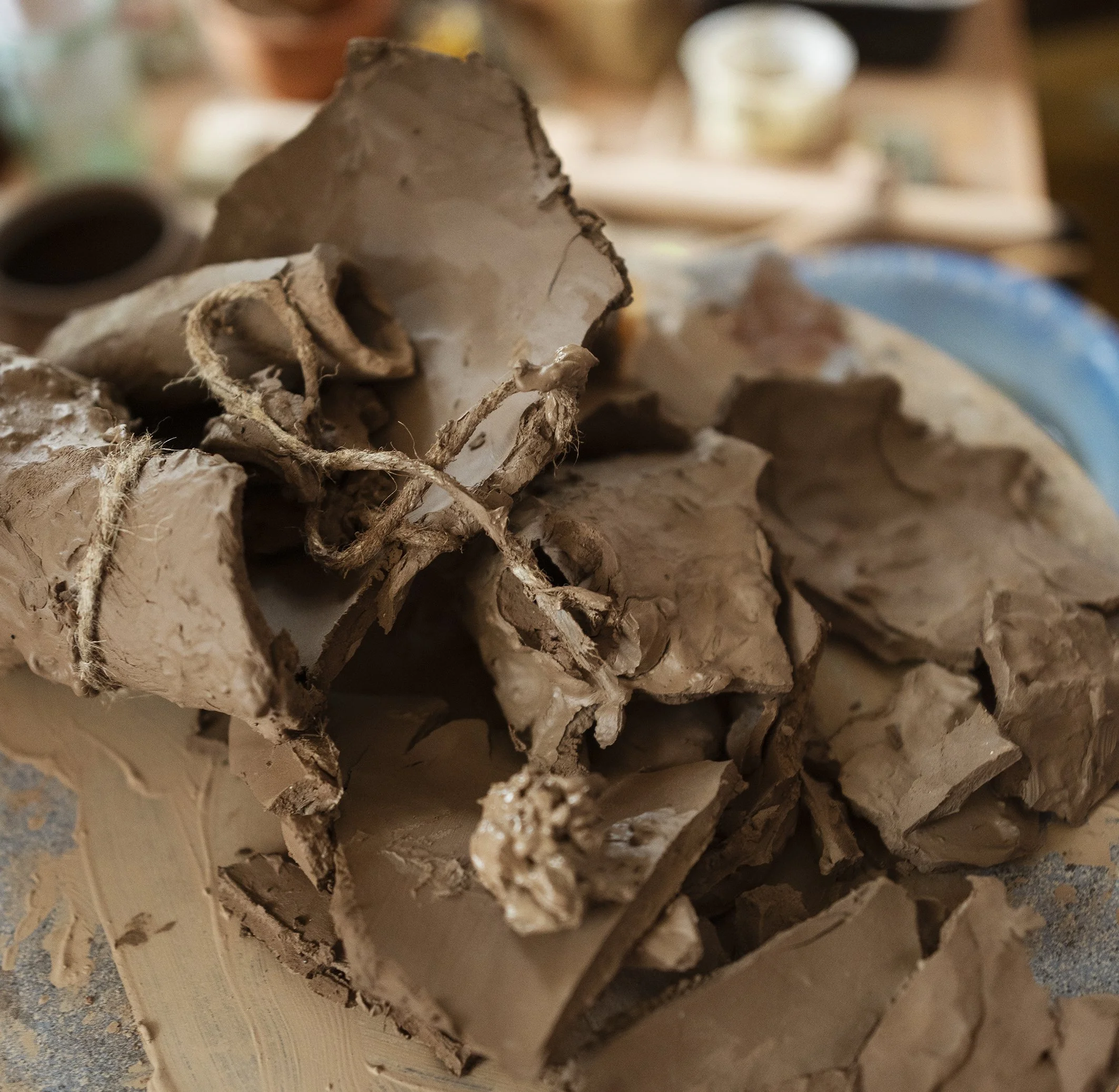
Art therapy is for everyone; no artistic skill or experience is needed. The focus is not on creating a “good” artwork, but on the process of making and what it can reveal. Art materials such as paint, pencils, clay and collage offer alternative ways to express things that may feel difficult to put into words, particularly following distressing or traumatic experiences.
Sessions take place in a private, supportive and non-judgemental space, with the therapist offering gentle presence and guidance as needed. Some people talk while they make; others work more quietly; the pace and approach are shaped by the individual. Through this process, art therapy can support self-understanding, reduce distress and foster agency, self-compassion, and a stronger sense of self-worth. The British Association of Art Therapists (BAAT) explains:
What is art therapy?
Environmental arts therapy
Seasons · Elements · Cycles · Thresholds · Liminal Spaces · Growth · Decay · Renewal · Transformation · Metaphor · Myth · Folklore · Ancestral Knowledge · Seasonal Traditions · Ritual · Ceremony · Time · Slowness · Attunement · Listening · Presence · Embodiment · Sensory Awareness · Land · Weather · Light · Shadow · Soil · Water · Wind · Fire · Stone · Trees · Moss · Visual Art · Sculpture · Movement · Drama · Voice · Sound · Poetry · Mark-Making · Play · Holding · Containment · Safety · Witnessing · Belonging · Connection · Community · Ecology · Interdependence · Reciprocity · Care · Sustainability ·
Seasons · Elements · Cycles · Thresholds · Liminal Spaces · Growth · Decay · Renewal · Transformation · Metaphor · Myth · Folklore · Ancestral Knowledge · Seasonal Traditions · Ritual · Ceremony · Time · Slowness · Attunement · Listening · Presence · Embodiment · Sensory Awareness · Land · Weather · Light · Shadow · Soil · Water · Wind · Fire · Stone · Trees · Moss · Visual Art · Sculpture · Movement · Drama · Voice · Sound · Poetry · Mark-Making · Play · Holding · Containment · Safety · Witnessing · Belonging · Connection · Community · Ecology · Interdependence · Reciprocity · Care · Sustainability ·
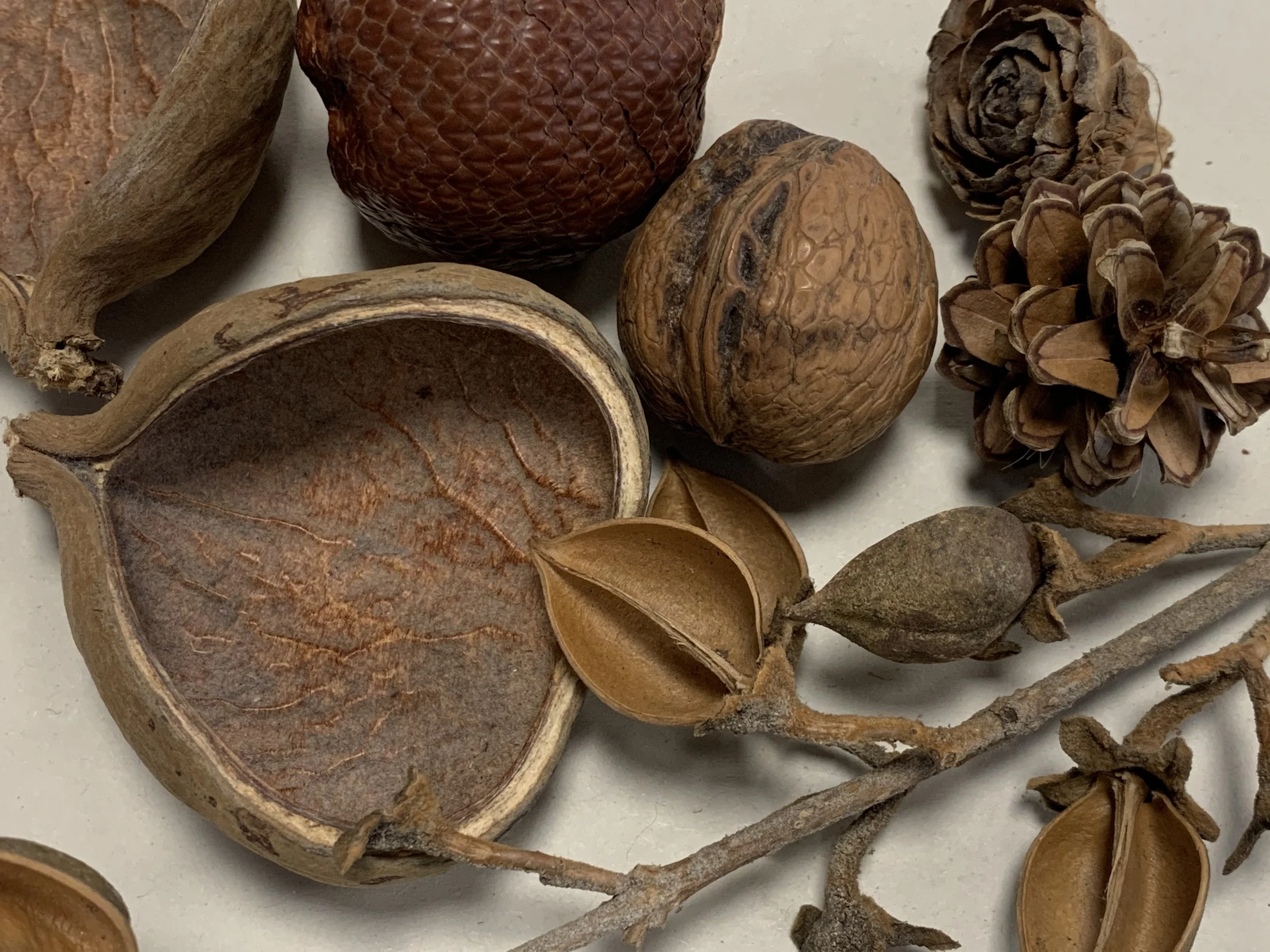
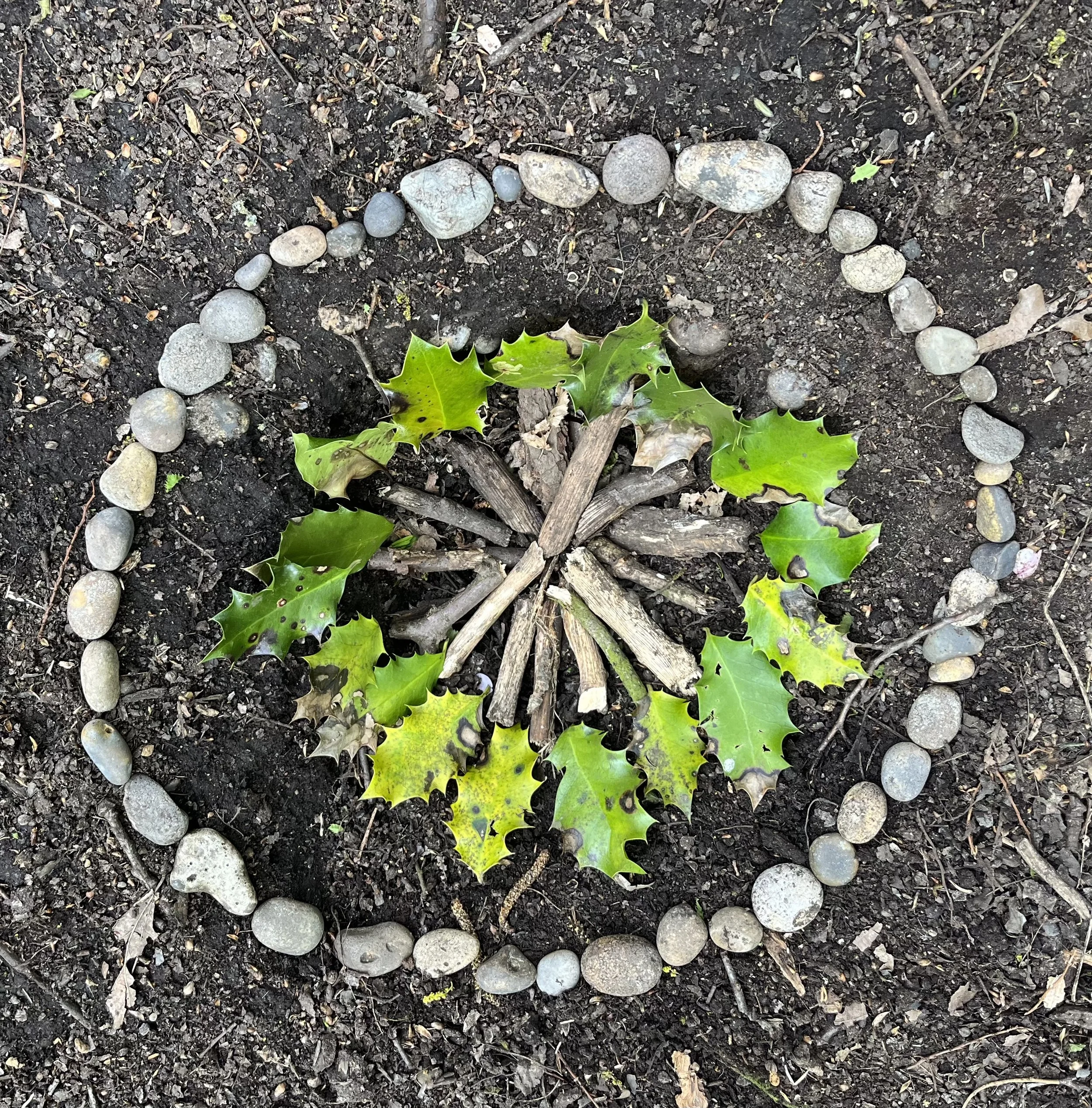
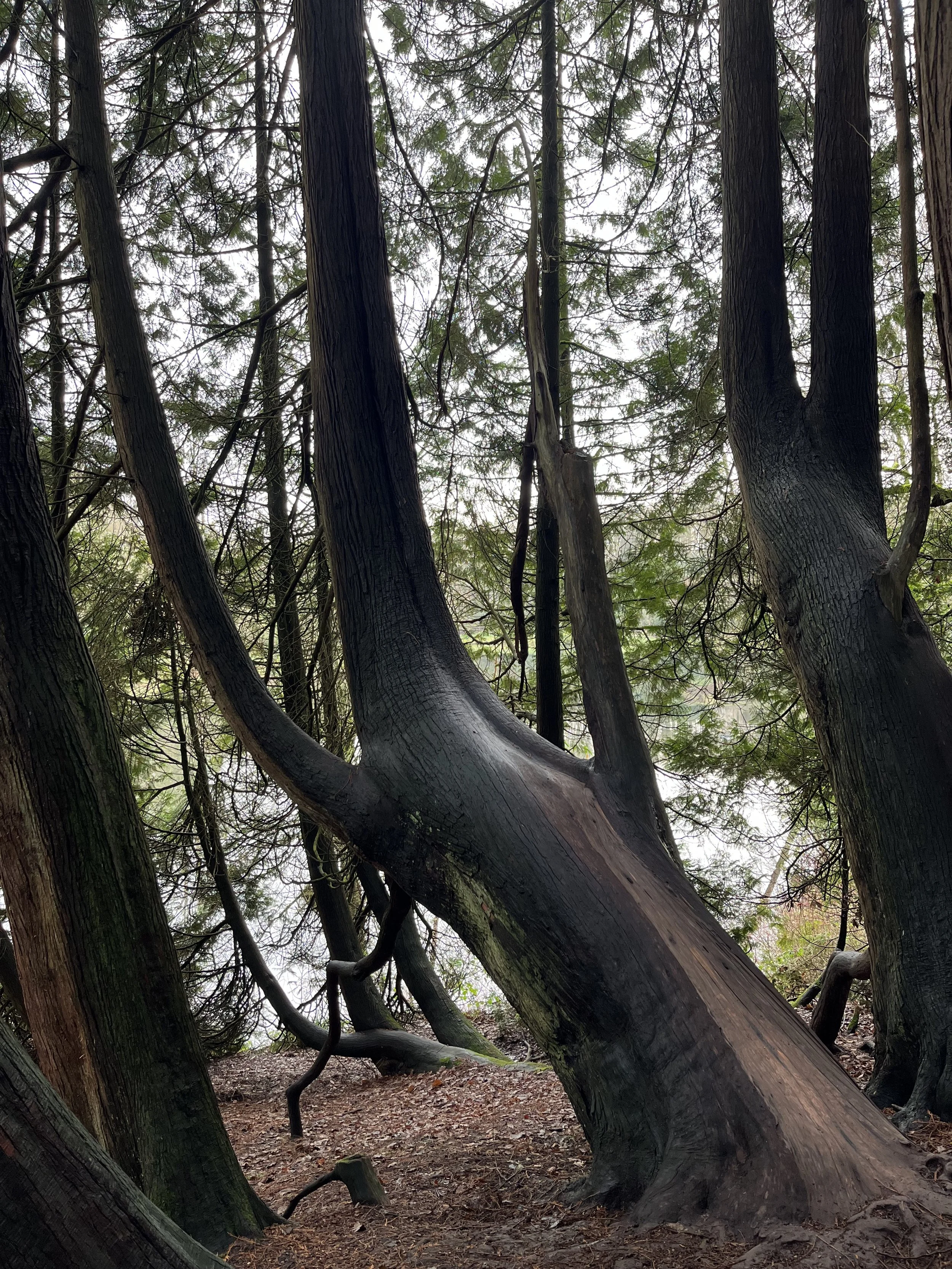
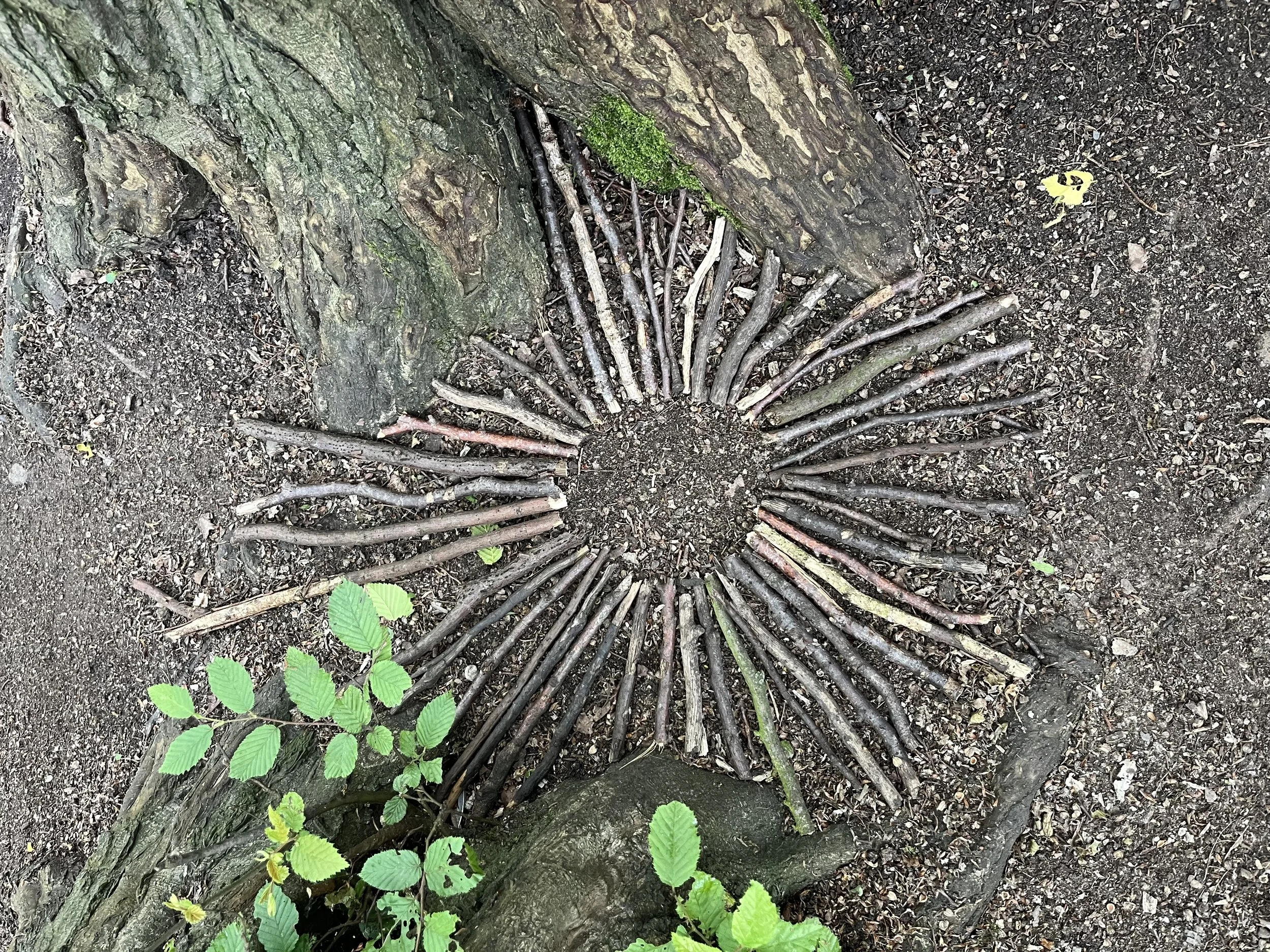
Environmental Arts Therapy (or Ecotherapy) is a nature-based therapeutic approach that combines creative practice with time spent in relationship with the natural world. Working outdoors and with natural materials, it uses art-making, metaphor and the cycles of the seasons to support reflection, connection and emotional wellbeing. Rooted in place and informed by ecological and relational ways of thinking, Environmental Arts Therapy recognises nature as an active partner in the therapeutic process. Through making and meaning evolving in dialogue with the environment, it supports resilience, belonging and a deeper connection to self, others and the more-than-human world.
I offer face-to-face art therapy sessions in a consistent, supportive setting.
Session length
Sessions last 50 minutes and take place at the same time and location each week, agreed together at the outset.
After we’ve arranged your first appointment, I’ll send you my working agreement, which includes some practical information about how I work. I’ll also invite you to complete a short client information form.
In our first session, we’ll spend some time getting a sense of what brings you to therapy and how you might like to work. If you’ve had therapy before, we can reflect on what you found helpful and what felt less supportive. We can also begin to think together about what you’d like from therapy and any aims you may want to hold.
The boring bit….
Fees
£70 per session.
(Concessions for art therapy students available)
Payment
You will be invoiced after each session.
Planned absences
Any known absences on either side can be agreed in advance.
Cancellations
If you need to cancel a session, please let me know at least 48 hours in advance; otherwise, the full session fee will apply. In the event that I need to cancel a session, I will provide as much notice as possible.
In-person Art Therapy sessions